
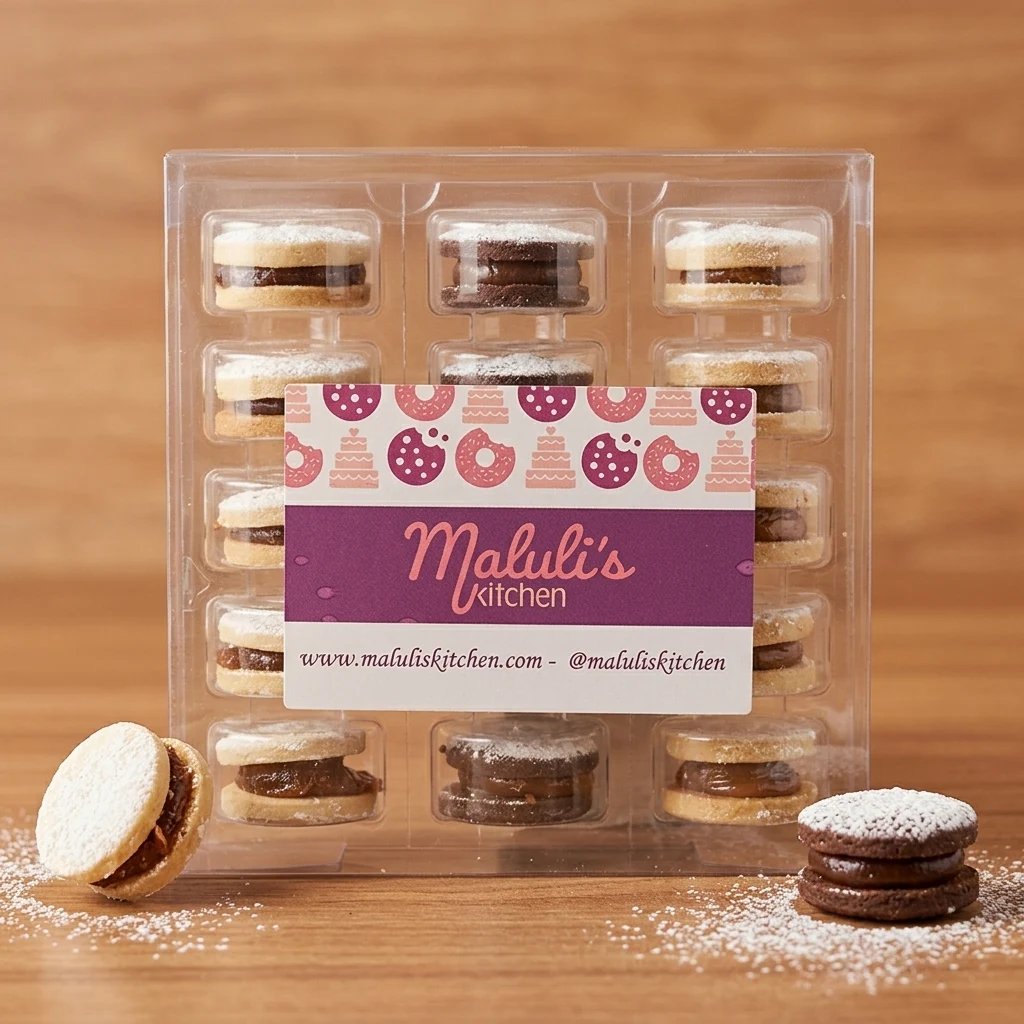
The less glamorous work behind the beautiful cakes—and why it matters.
Loving to bake is a lovely beginning
Selling what you bake adds a different set of responsibilities. Alongside recipes and decoration, there are ingredient orders, customer messages, packaging, planning and a calendar that fills up faster than you expect. This is a practical overview for aspiring bakers, not a personal account of Maluli’s business history.
Price the whole job
Ingredients are only one part of the cost. Track packaging, preparation, shopping, baking, cooling, decorating, cleaning, customer communication, energy and payment fees. Include waste and the time required to remake a batch. A product can sell well and still leave too little to pay you for your work.
A smaller menu can be a stronger start
Begin with a few products you can make consistently. Practice producing them in realistic batches and record actual yields. A recipe that works beautifully once may behave differently when you are preparing several orders. Clear portions, packaging and a manageable menu make planning easier.
Put order details in writing
- Product, size and quantity
- Flavor, filling, frosting and decoration requests
- Event date and agreed pickup or delivery arrangements
- A clear quote and what it includes
- Your confirmed payment, change and cancellation terms
- Ingredient and allergen information appropriate to the order
Protect your time and your capacity
Choose realistic lead times and set a limit on the work you accept. Cakes need cooling time; cookies need packing time; messages need answering. A full calendar is useful only when the workload is manageable. Clear boundaries are part of caring for both the customer and the person doing the baking.
Check the rules where you operate
Before selling, check the requirements that apply to your location and products with the relevant local authorities. Food-business rules, home-kitchen permissions, labeling, storage and delivery requirements vary. Get appropriate advice for your own situation rather than assuming another baker’s setup applies to you.
Grow through small, repeatable wins
Test your process, ask for specific feedback and keep useful records. Good photos help, but reliable quality, clear communication and an order that arrives as agreed are what build trust. Start at a scale you can handle, learn from the experience, and expand when your process is ready.